November 20, 2026
GPS safety devices for older adults: how they work and what to consider
By @laterlifeliving
For many families, the idea of an older relative heading out for a walk, a trip to the shops, or even a short wander around the garden carries a quiet worry. What if they get turned around, lose their bearings, or find themselves in difficulty with no one nearby to help? A mobile medical alarm that includes GPS location can offer a practical answer. These devices are designed to let someone live independently while giving the family a way to stay connected to their whereabouts and wellbeing. Understanding how they work, what they can and cannot do, and what matters most when choosing one will help you make an informed decision.
What a mobile medical alarm with GPS does
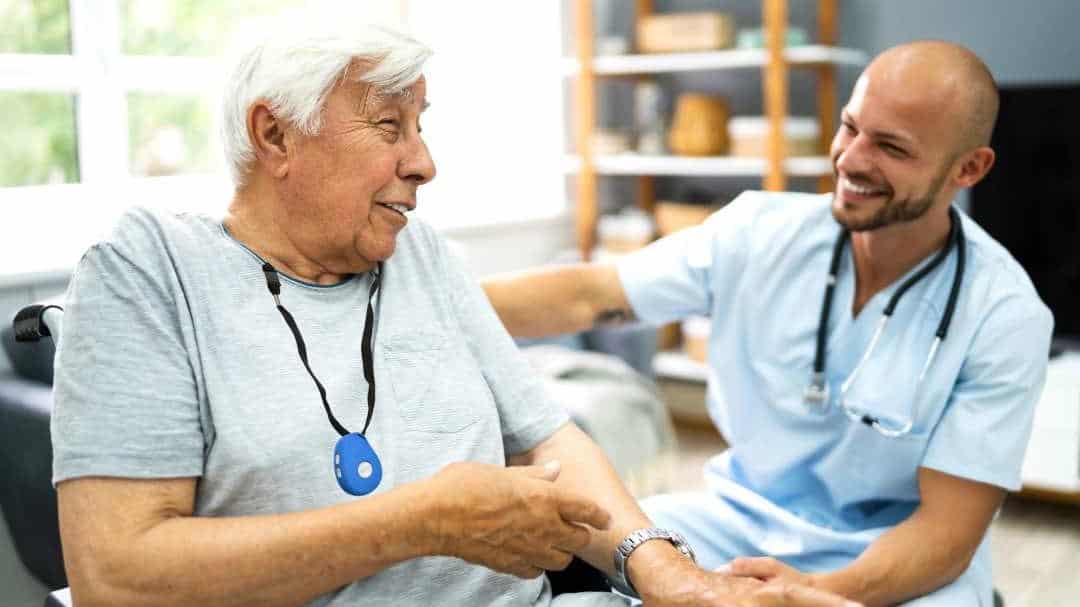
A mobile medical alarm is a wearable device that works away from home. Unlike a traditional home-based alarm that only functions within a certain range of a base unit, a mobile version uses mobile phone networks to send alerts and share location data. The device itself is usually a pendant or a wristband that contains a speaker, a microphone, a button for raising an alert, and a GPS receiver. When the wearer presses the SOS button, the device places a call to a pre-set list of contacts or a monitoring centre, sends a real time location, and opens a two way calling channel so the person can speak to whoever answers. Some models also include fall detection, which can trigger an alert automatically if the device senses a hard impact and a period of stillness.
How GPS location sharing works in practice
The GPS receiver in the device picks up signals from satellites orbiting the earth. It uses those signals to calculate the device's position to within a few metres. That position is then sent over the mobile network to a secure server, where family members can see it on a smartphone app or a web page. Importantly, the device only reports its location when an alert is active, or when someone specifically requests a location update. It is not a continuous tracker that broadcasts the wearer's every move. This distinction matters for two reasons: it saves battery life, and it respects the older adult's sense of privacy. For families, it means you can check in when you need to, but you are not watching every step they take.
Mobile coverage is a factor worth understanding. A GPS device relies on a mobile network to send its location and to carry the two way calling. If the wearer walks into an area with weak or no mobile signal, the device may not be able to send an alert right away. Some devices store the location data and send it once a signal returns, but a call cannot happen until the network is available. This is one reason why checking mobile coverage in the areas where the older adult typically spends time is a sensible step before settling on a device or a network provider.

Fall detection: helpful but not perfect
Many mobile medical alarms now include automatic fall detection. The device contains a small accelerometer that measures sudden changes in movement. If it detects a hard impact followed by a period where the wearer does not move, it can raise an alert automatically, even if the person is unable to press the button. This feature can be a real help for someone who has memory concerns or a condition that makes them prone to falls. However, fall detection is not foolproof. It may not register a slow, controlled fall onto a soft surface, and it can sometimes trigger a false alert if the device is dropped or knocked hard. Most systems let the wearer cancel an accidental alert before it reaches the family, which helps avoid unnecessary worry.
Two way calling and what it adds
The ability to hold a conversation through the device is one of the most useful features of a mobile medical alarm. When an alert is raised, the person who answers can speak directly to the wearer through the device's speaker and microphone. They can ask the older adult what has happened, where they are, and what kind of help they need. This two way calling reduces the chance of misunderstanding. A fall where the person is unhurt may not require an ambulance; a sudden feeling of dizziness might call for a family member to come and sit with them. Being able to talk through the situation helps everyone decide the right response without dispatching emergency services unnecessarily.
For an older adult with memory concerns, two way calling also provides reassurance. A familiar voice on the line can calm them down and guide them through what to do next. Some families programme the device to call a relative first, then a neighbour, then emergency services if no one answers. This layered approach respects the older adult's wish to stay independent while making sure help is never far away.
What families should check before choosing a device
Battery life and charging habits
A GPS device is only useful if it has power. Most models need charging every one to three days, depending on how often they transmit location data. Some come with a charging stand that the wearer places the device on overnight, much like a phone. Others use a removable battery that can be swapped. If the older adult is likely to forget to charge the device, look for a model with a longer battery life or one that sends a low-battery alert to the family. A device that runs out of power mid-walk loses all its safety features until it is recharged.
Size, weight and comfort
A wearable device that is bulky or heavy may end up left on the bedside table. The best device is the one the older adult will actually wear. Pendants are often easier for someone with limited dexterity, while wristbands can feel more natural for someone who already wears a watch. Some devices are waterproof or water-resistant, which matters if the wearer wants to keep it on in the shower or while washing up. Check the device's IP rating and the manufacturer's guidance on water exposure.

How the alert reaches the family
Different systems handle alerts in different ways. Some send a push notification to a smartphone app, others send an SMS or an automated phone call. Think about which method will reach you most reliably. If you are at work and cannot look at your phone constantly, a call that rings your landline or a pre-set number might be more effective. Some services, including familyr.co.nz, allow the family to be the primary responders, which means no monthly monitoring fees and no third party involved unless you choose to involve one. This can give you direct control over how alerts are handled.
Outdoor safety and real world limits
GPS works best outdoors with a clear view of the sky. In dense city centres with tall buildings, the location accuracy can drop slightly. Indoors, especially in concrete or steel structures, the GPS signal may struggle. Some devices use a combination of GPS and Wi-Fi positioning to improve indoor accuracy, but this is not universal. If the older adult spends a lot of time in a building with thick walls, ask the device maker how well it performs in those conditions. In general, a mobile medical alarm is most reliable for outdoor safety and trips away from home, while a traditional home alarm may be better for purely indoor use.
Memory concerns and reassurance
For someone who is becoming forgetful, a wearable alarm can provide a safety net that delays the need for more restrictive care. The device does not require the wearer to remember a phone number, a name, or a set of instructions. They press one button and speak. Some devices can be set to send a regular check-in message asking the wearer to press a button to confirm they are okay. If the check-in is missed, the family receives a notification. This feature can be useful for older adults who live alone and might not think to call for help if they feel unwell. It is not a substitute for regular contact, but it adds a layer of quiet monitoring that many families find reassuring.
Privacy and the limits of location sharing
Older adults often resist the idea of being tracked, and that resistance is understandable. A mobile medical alarm that only shares location during an alert or on request strikes a balance between safety and privacy. It is worth having an open conversation with the older adult about how the device works and what information the family will see. Emphasise that the purpose is not to monitor their every move but to be able to find them quickly if something goes wrong. Many people feel more comfortable once they understand that the device is not a live tracker and that they can control when and how alerts are sent.
Choosing a device that fits your family's routine
No single device suits every older adult or every family. Some families want a simple SOS button with voice calling and nothing else. Others want fall detection, check-in reminders, and a way to see location history. The right choice depends on the older adult's health, how active they are, and how much support the family can offer. A family that lives nearby might be happy to receive alerts directly and respond themselves. Another family that lives far away might prefer a device that calls a professional monitoring centre as a backup. The site familyr.co.nz offers a model that is family-monitored, which means the family decides who gets called and when, with no ongoing fees. This approach works well for families who want to stay closely involved in their older relative's safety.
Whatever device you look at, take time to test it in the places where the older adult spends time. Walk around the garden, go to the local park, visit the supermarket. See how quickly the location appears and how clear the audio is during a test call. A device that performs well in these everyday settings will give you real confidence when it matters most.
❧